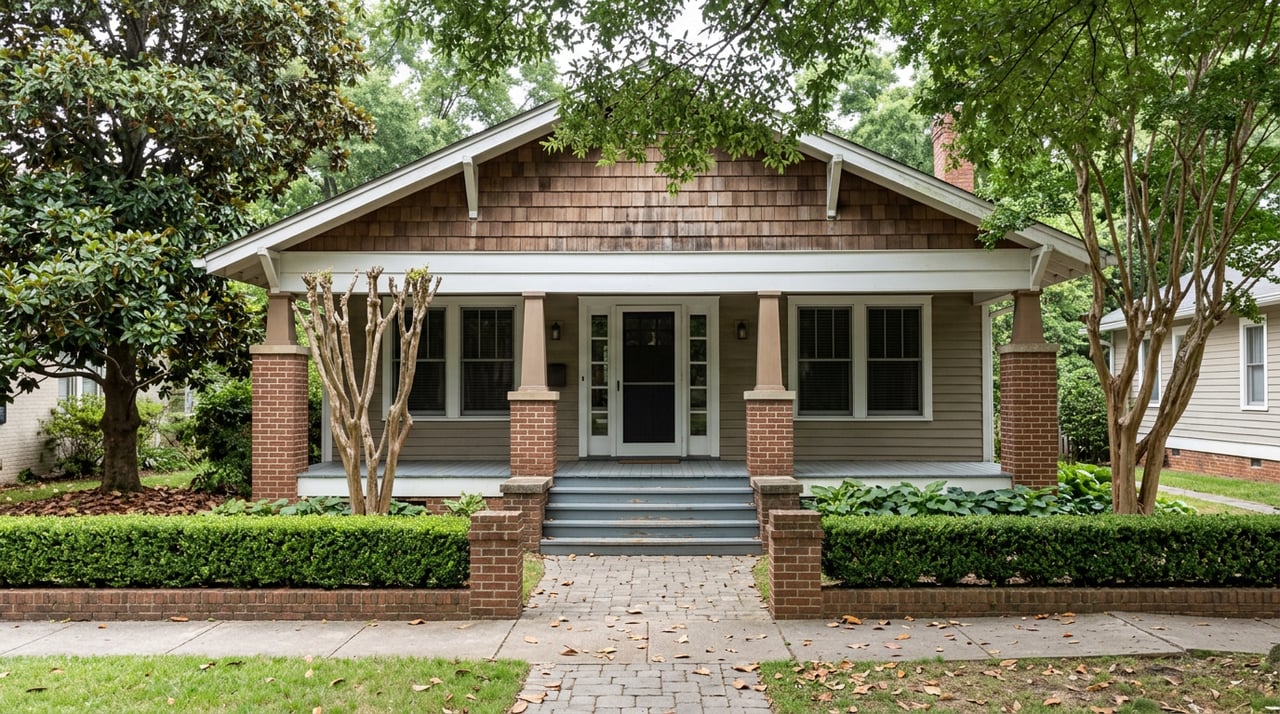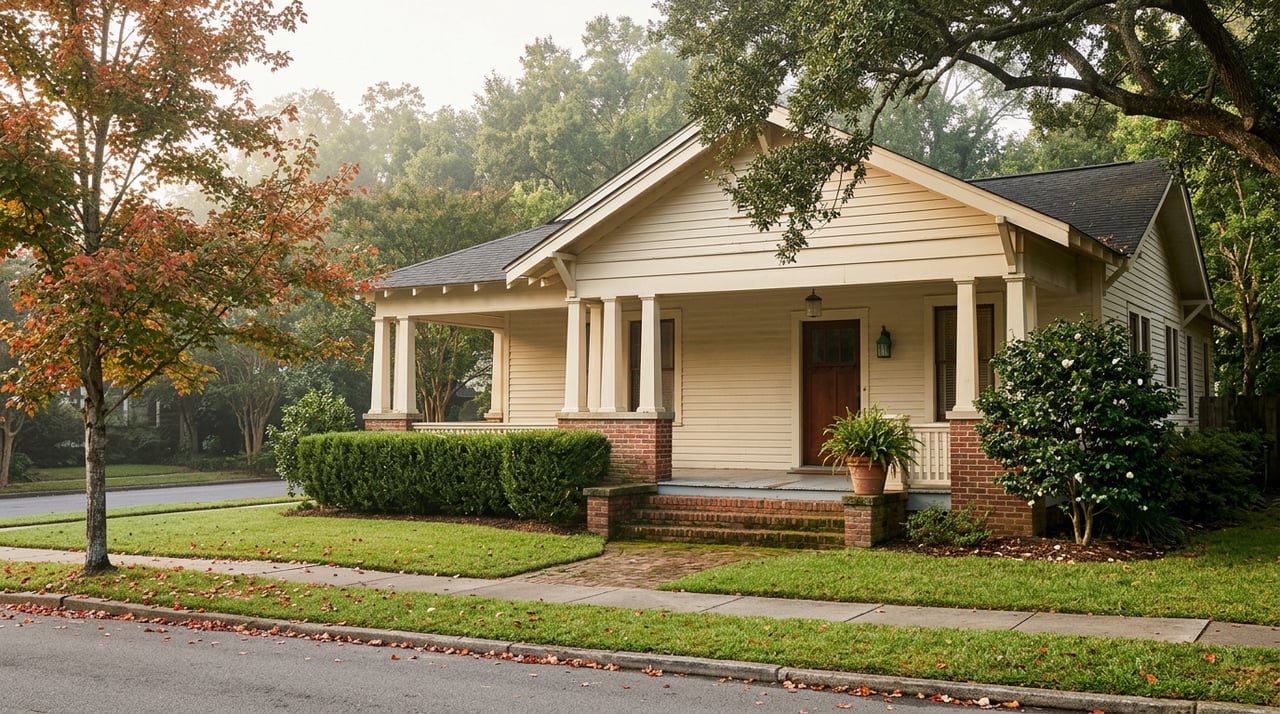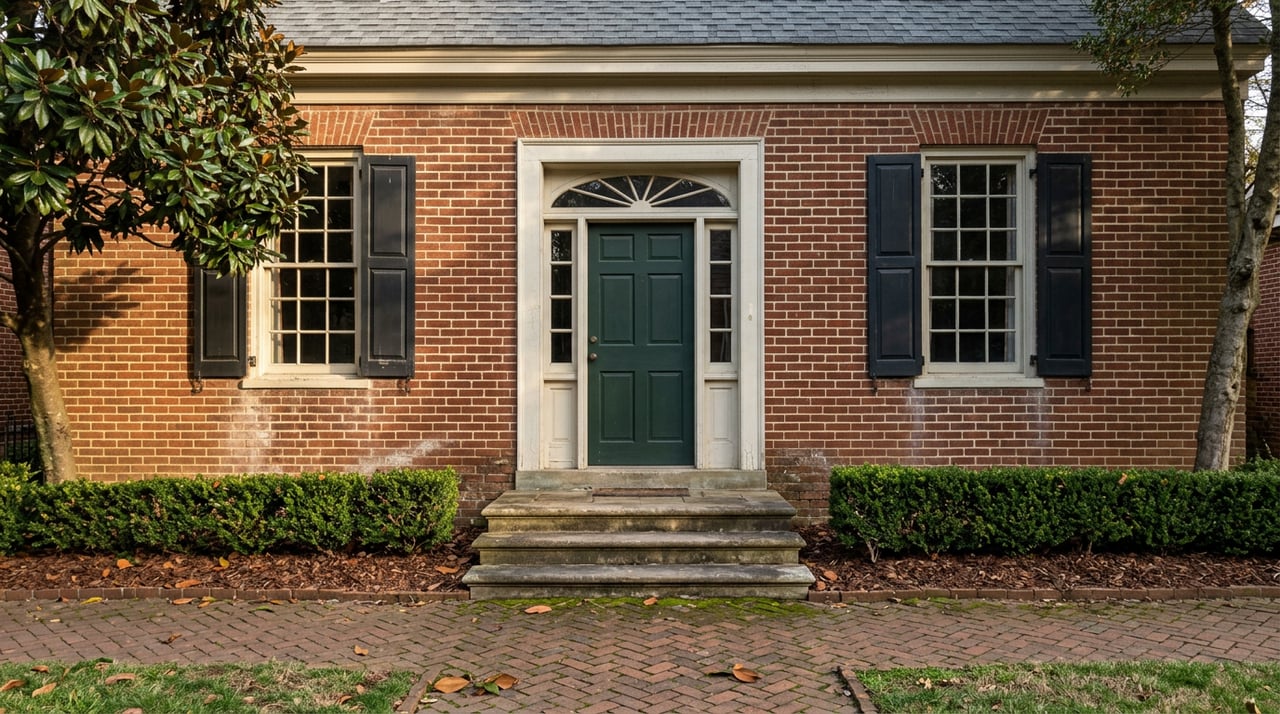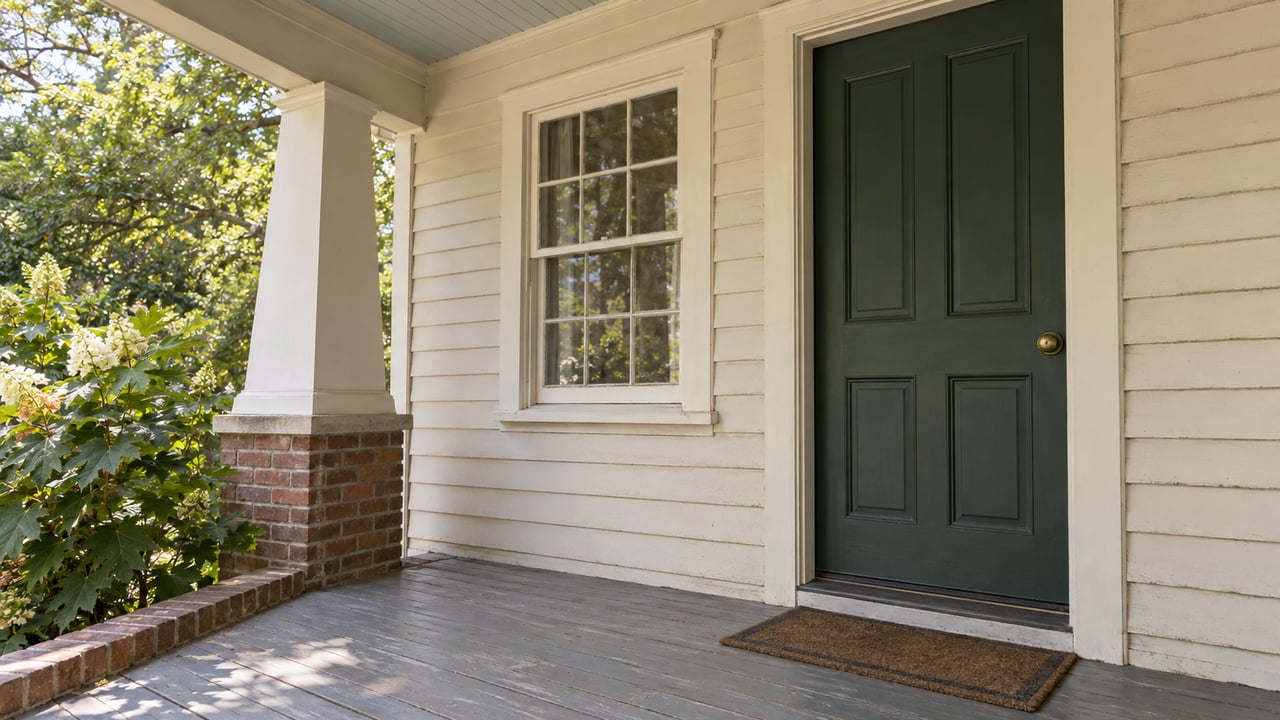
Pull up two different real estate sites and search the same three-month window for Normaltown, and you'll get two stories that can't both be true. One shows the median sale price climbing 27 percent year over year, to $595,000, for the three months ending May 2026. Another site pulling from the same regional MLS feed shows the median falling to $359,000, down from $525,000 just six months earlier. Same neighborhood name. Same rough calendar window. Opposite direction.
If you're comparing Normaltown to other in-town Athens neighborhoods right now, this isn't a rounding error you can average out. It's a sign that the number itself is the wrong tool for the question you're actually asking.
Same Neighborhood, Same Season, Opposite Direction
Start with the smaller of the two datasets. The portal reporting the 27 percent jump based that figure on five closed sales in May 2026, down from eight the year before. Five transactions is not a market. It's a small enough sample that a single $900,000 renovation closing alongside a $400,000 starter cottage can swing the median by six figures in either direction, and that's before you factor in the normal seasonal lull that hits smaller neighborhoods harder than it hits citywide numbers.
Compare that to Athens as a whole. Across Athens-Clarke County, the median sale price over the three months ending August 2026 was $353,000, up 6.4 percent year over year, with roughly 400 homes changing hands that month alone, up from 348 the year before. That's a sample size nearly a hundred times larger than what's driving Normaltown's headline figure. Citywide numbers smooth out the noise. Neighborhood-level numbers, especially in a pocket this small, don't have enough transactions to do that.
So when a portal tells you Normaltown prices are "up 27 percent," what it's really telling you is that five sales landed a certain way this spring. That's a fact about five houses, not a trend about a neighborhood.
The Boundary Line Nobody Agrees On
There's a second problem sitting underneath the sample-size issue, and it's the one that actually matters more if you're trying to price a specific street.
Longtime local agents have described Normaltown's traditional footprint as the pocket around what's now Piedmont Athens Regional, on the south side of Prince Avenue, near the old Normal School campus that gave the neighborhood its name. Boulevard, by most local accounts, sits on the other side of Prince. They're neighbors, not the same neighborhood, and the distinction has mattered to buyers here for a long time.
Real estate portals don't draw their boundaries that way. Most pull from ZIP code 30606, which stretches well beyond the walkable core around Chase Street Elementary and Bishop Park to include streets that longtime residents would call Boulevard, or something else entirely. When a site reports a "Normaltown median," it's often blending sales from that traditional walkable core with sales from adjacent streets that share a ZIP code but not a neighborhood identity.
That blending is exactly what shows up in actual closed sales this summer. In a roughly six-week stretch between mid-June and late July 2026, the 30606 corridor recorded closings at 337 Sunset Drive for $405,000, 305 King Avenue for $525,000, 282 Holman Avenue for $626,000, 495 Talmadge Drive for $850,000, and 310 Price Avenue for $990,000. Five sales, a $585,000 spread, all technically within the same ZIP code, all liable to get folded into one "Normaltown" median depending on which side of the informal Prince Avenue line a given portal decides to count.
None of that is a flaw in the data collection. It's a mismatch between how the market actually organizes itself and how software draws polygons on a map.
What's Actually Driving the Spread
The price range in those five sales isn't random noise either. It tracks with what's on each lot. The higher closings, Price Avenue and Talmadge Drive, both carried more square footage and four bedrooms, the kind of larger-footprint renovation or newer build that's increasingly common as older cottages get expanded or replaced. The lower end, Sunset Drive, was a smaller two-bedroom, one-bath home, the kind of starter stock that still exists on side streets even as the surrounding blocks trend upmarket.
That mix, older starter cottages sitting a few doors down from recently expanded four-bedroom homes, is a known feature of Normaltown's housing stock. Local listing descriptions routinely point to a wave of renovation and infill construction here, and it shows up in the closed-sale data as genuine variance in what "a Normaltown home" actually is, not just variance in where the ZIP line falls.
What This Means If You're Pricing a Home Here
If you're comparing Normaltown to Cobbham, Boulevard, or Five Points using the headline median you found on a portal, you're comparing a number built on a handful of transactions and an inconsistent boundary to whatever more stable figure the other neighborhood happens to report. That's not a fair comparison, and it's not really a comparison of neighborhoods at all.
The more useful question is narrower. Ask what's sold on the specific block or the specific side street you're considering, inside the walkable core near Chase Street Elementary, Bishop Park, and the corridor that includes Automatic Pizza, Sips, and the long-standing Normal Hardware store, rather than what a ZIP-code-wide average says. Ask whether the comp you're being shown sits on the Prince Avenue side traditionally called Normaltown or the side that locals would call Boulevard. Ask for price per square foot on that specific street over the last two or three closings, not a neighborhood-wide median built on five data points.
None of this means Normaltown is overpriced or underpriced. It means the single number most people lead with when comparing neighborhoods is the least trustworthy way to evaluate this particular one, precisely because it's small, blended, and reported differently depending on where you look.
The neighborhood's draw isn't in dispute. It sits between two hospital systems, Piedmont Athens Regional and St. Mary's, alongside the UGA Health Sciences Campus that opened in 2012 inside the old Normal School building, which keeps steady demand flowing from staff and faculty who want to walk or bike to work. The Normaltown Music Festival at Athentic Brewing Company has grown into its fourth annual year, a sign of a neighborhood identity distinct enough to organize a community event around. That identity is real. The median price built to represent it, at least right now, mostly isn't.
Frequently Asked Questions
Does "Normaltown" mean the same thing on every real estate site? No. Most sites pull sales by ZIP code, 30606 in this case, which covers a wider area than the walkable core around Chase Street Elementary and Bishop Park that longtime locals traditionally call Normaltown. Some of what gets counted as Normaltown sales would be called Boulevard by residents who've lived here for years.
How many homes actually sell in Normaltown each month? It's a small number. One portal recorded five closed sales in May 2026, down from eight in May 2025. Compare that to roughly 400 homes selling citywide in Athens in August 2026, and it's clear why a single high or low sale can swing the Normaltown median so much harder than it would move a citywide figure.
What should I ask my agent instead of the median price? Ask for closed comps on the specific street or block you're considering, within the last two or three months, along with price per square foot for that street specifically. A neighborhood-wide median built on five transactions won't tell you what a house on Holman Avenue is actually worth compared to one on Talmadge Drive.
If you're trying to figure out what a specific Normaltown block is really worth, a neighborhood-wide median isn't going to get you there. Eric Vaughn can pull the actual closed comps for your street and walk you through what they mean before you make an offer or price a listing.