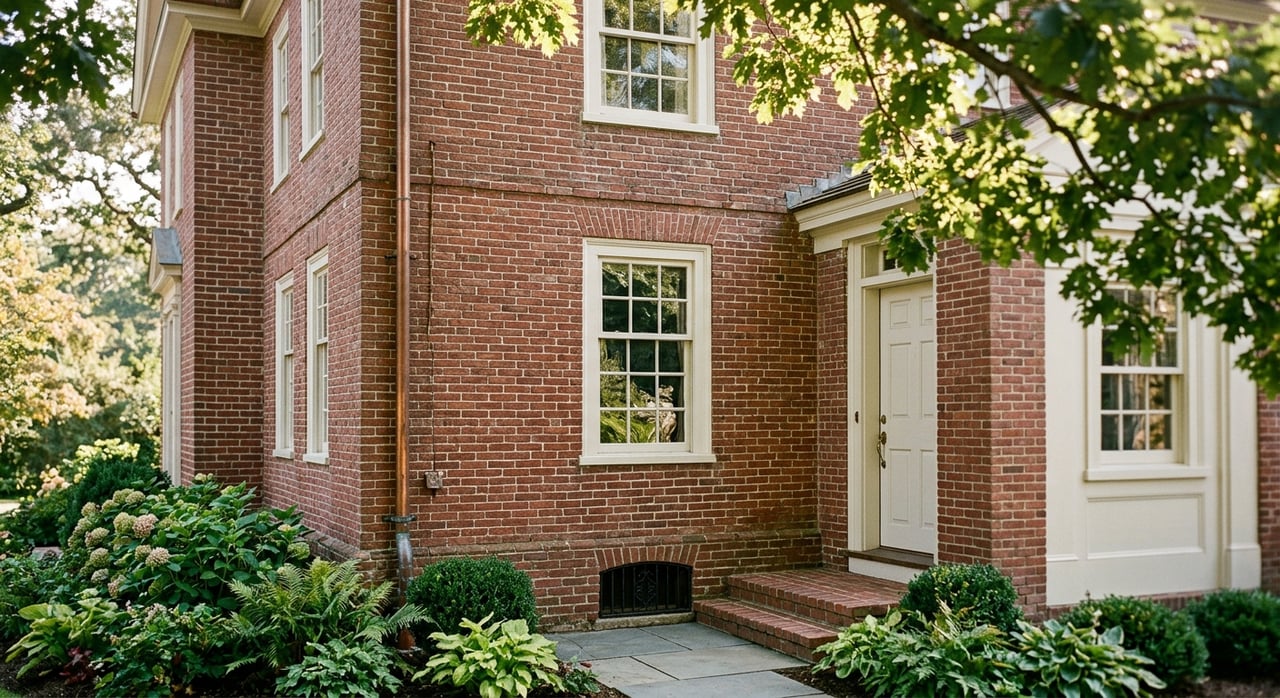
Worried that buying in Boulevard means signing up for surprise repairs or strict rules you do not fully understand? That concern is completely reasonable, especially when you are looking at a home with age, character, and local historic status in the mix. The good news is that you can buy a Boulevard home with confidence when you know what to verify, what to inspect, and how to plan ahead for updates and ownership costs. Let’s dive in.
Why Boulevard draws buyers
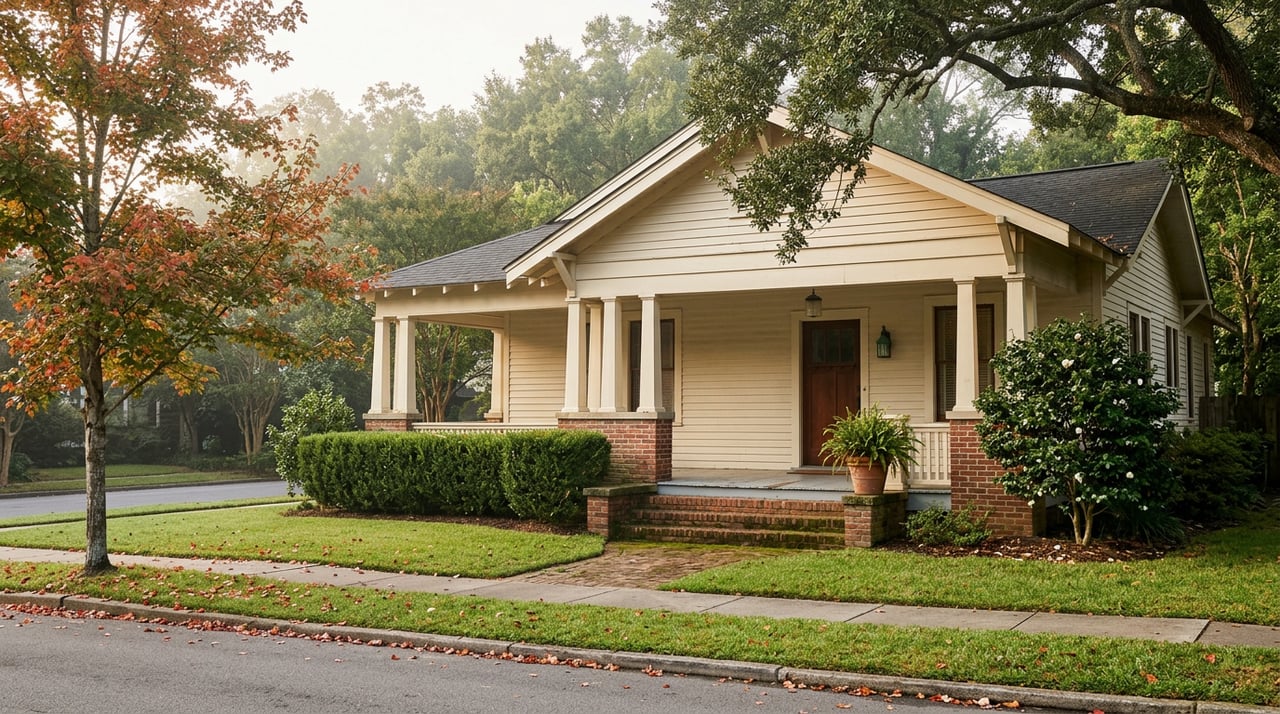
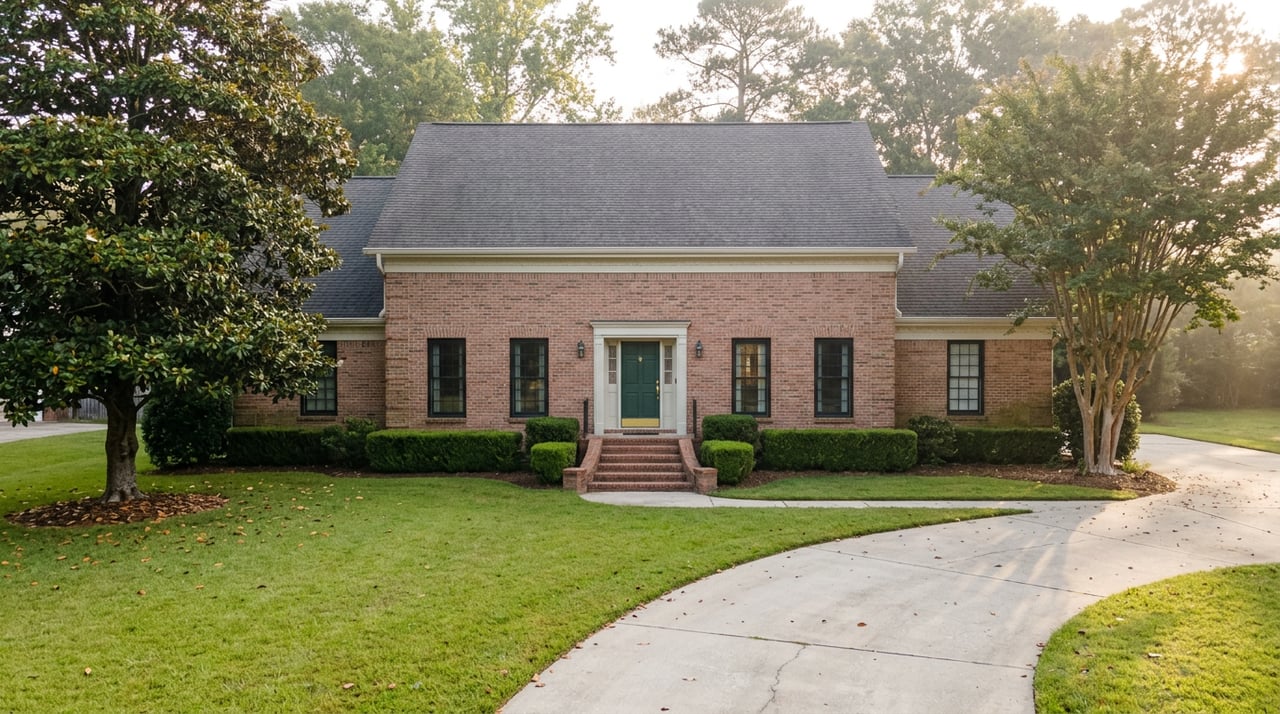
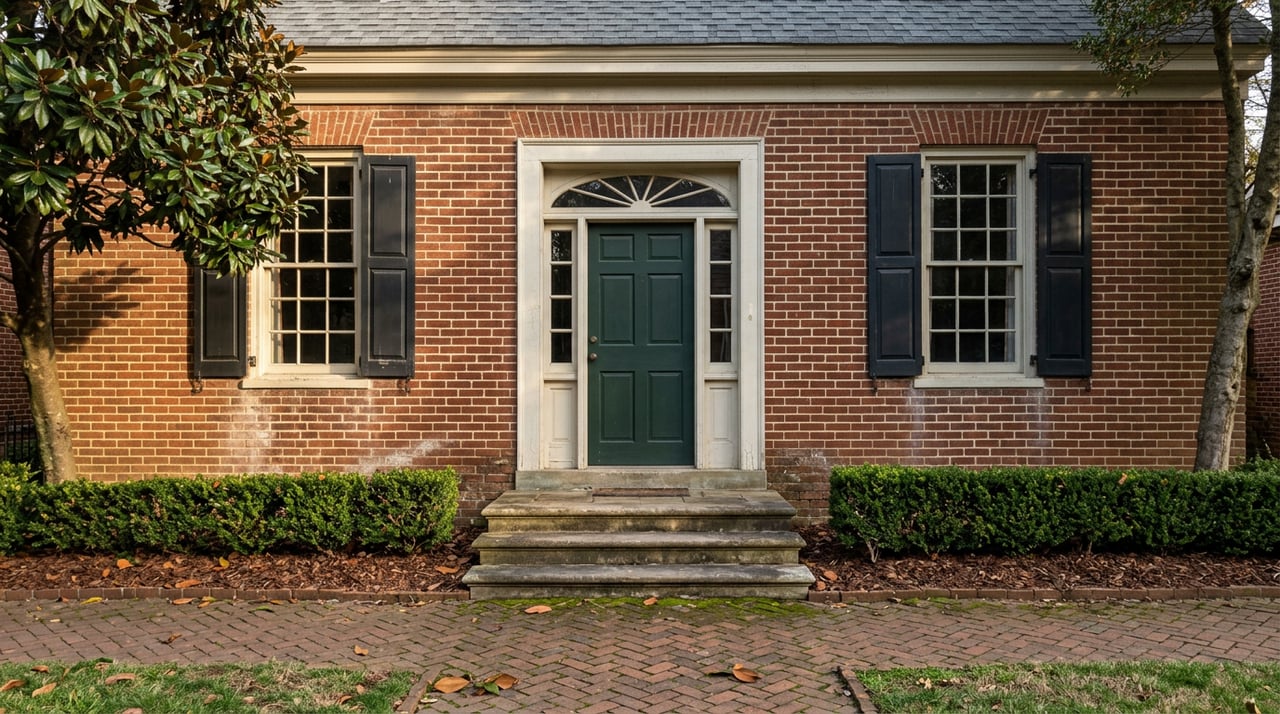
Boulevard is a local historic district in Athens-Clarke County, and the county describes it as a streetcar suburb that developed from the late 19th to early 20th centuries. Its housing stock ranges from simple vernacular cottages to large mansions, which helps explain why the area appeals to buyers with very different goals and budgets.
That variety is part of the charm, but it also means no two purchases are exactly alike. One home may be largely updated, while another may still have older systems, original materials, or exterior features that affect your renovation plans.
Confirm the home’s exact historic status
One of the biggest mistakes a buyer can make is assuming every property in Boulevard carries the same designation. Athens-Clarke County notes that local historic districts can include non-historic properties, so you should confirm the exact parcel status before you make decisions based on assumptions.
That matters because your obligations may depend on whether the property is designated in a specific way, including whether it is considered a contributing resource. It can also affect whether the home may qualify for certain incentives, such as the Historic Property Tax Freeze, which is not automatic and has eligibility requirements.
What to verify early
Before you get too far into due diligence, make sure you confirm:
- The parcel on the Athens-Clarke County historic district map
- Whether the property is contributing or otherwise designated
- Whether there are prior Certificates of Appropriateness, also called COAs
- Whether the seller has records of past renovations or exterior work
- Whether required lead disclosures or reports are available for a pre-1978 home
Understand what local historic review covers
Buying in a local historic district does not mean you cannot make changes. In Boulevard, the more practical question is which exterior changes require review before work begins.
Athens-Clarke County says exterior changes to locally designated historic district properties require a Certificate of Appropriateness before work starts. The county also says interior renovations are not under Historic Preservation Commission purview, and exterior paint colors for buildings with previously painted exteriors are not regulated by the commission.
Exterior work that may need a COA
According to the county, review and approval may be required for work such as:
- Additions
- Demolition
- Fences
- Signs
- Exterior changes beyond routine maintenance
If you are thinking about replacing windows, updating a porch, adding an accessory building, changing fencing, or making a larger exterior alteration, it is smart to ask questions before closing, not after.
Learn the COA timeline before you buy
If you already have a project in mind, timing matters. The county’s COA application materials say staff-level review averages about 3 business days, though the ordinance allows up to 45 days for review.
For projects that need a Historic Preservation Commission hearing, applications should be submitted 45 to 30 days before the hearing. The county also states that an approved COA expires 6 months after approval or issuance, so your renovation timeline should be realistic.
Why this matters to buyers
A COA packet can show you how detailed the county expects your application to be. Depending on the project, that may include written descriptions, material lists, window and door details, porch details, fencing and hardscape information, demolition or relocation plans, and elevation drawings for new construction.
If your purchase only makes sense with a specific exterior update, speak with the Historic Preservation Planner before you finalize the deal. Athens-Clarke County also encourages owners to use a Conceptual Preliminary Design Review when a project is likely, which can be especially helpful for major exterior plans.
Prioritize the right inspections
A historic home inspection should start with the same core systems you would review in any purchase, then go deeper into age-related concerns. A standard home inspection typically looks at the structure, exterior, roof, plumbing, electrical systems, heating and air conditioning, interiors, ventilation and insulation, and fireplaces.
For an older Boulevard house, that baseline is only the beginning. Age, materials, and deferred maintenance can create issues that are less common in newer homes, so a careful inspection strategy matters.
Older-home areas to watch closely
Historic home guidance recommends paying special attention to:
- Roof and chimney
- Walls
- Porch
- Windows
- Floors and stairs
- Basement
- Attic
Common warning signs can include sagging rooflines, loose mortar, rot, weak porch supports, springy or sloping floors, water damage, pest activity, and inadequate attic insulation. These do not automatically mean you should walk away, but they do mean you should understand repair scope and cost before your contingency period ends.
A practical inspection sequence
For many Boulevard buyers, the most useful path is:
- Schedule a general home inspection early
- Review the report for age-related concerns or safety issues
- Bring in targeted specialists when needed
Those specialists may include:
- Structural or foundation experts
- Roofing or chimney specialists
- Electrical specialists
- HVAC or plumbing specialists
- Pest or termite inspectors
- Lead or asbestos professionals when older finishes or systems are involved
Know the lead and asbestos questions
Because Boulevard includes older housing stock, pre-1978 hazards are a realistic possibility. The EPA says the older the home, the more likely it is to contain lead-based paint, and about three-quarters of U.S. homes built before 1978 still contain some lead-based paint.
Federal law requires sellers of most pre-1978 homes to provide known lead information, an EPA pamphlet, and a 10-day opportunity for a buyer to inspect or assess for lead hazards. That disclosure window is an important part of your due diligence if you are buying an older home in Boulevard.
When extra testing makes sense
If renovations could disturb suspect materials, the EPA recommends having materials such as old floor tile, ceiling tile, or pipe wrap sampled by a trained asbestos professional. The agency also says renovation, repair, or painting work that disturbs lead-based paint in a pre-1978 home should be performed by lead-safe certified contractors.
This is especially important if you plan to update original finishes soon after closing. Your renovation budget should include testing and proper handling where needed, not just the visible cosmetic work.
Budget beyond the purchase price
Historic homes often come with ownership costs that are different from newer construction. The home may be worth every bit of the extra planning, but you should go into the purchase with a realistic view of insurance, maintenance, and future repair expenses.
Georgia’s Office of Commissioner of Insurance says homeowners insurance generally covers the dwelling, contents, additional living expenses, personal liability, and medical payments. The agency also notes that standard homeowners policies do not cover flood or earthquake damage.
Focus on rebuild cost
One of the most important insurance concepts for any older home is replacement cost. Georgia OCI says your dwelling coverage should reflect what it would take to rebuild the home, not simply the market value.
That point matters in Boulevard because historic materials and older construction details can affect rebuild costs. Older homes may also have higher premiums, especially when condition issues involve the roof, wiring, plumbing, or other systems that would be expensive to replace.
Smart insurance questions to ask
As you compare policies, plan to:
- Compare deductibles
- Shop around
- Confirm the insurer or agent is licensed in Georgia
- Read the policy carefully
- Review coverage at least once a year
If the property is in a flood plain, a lender may require separate flood coverage because a standard homeowners policy does not cover flood damage.
Protect yourself before closing
The final stretch before closing is where confident buyers separate charm from guesswork. If you love a Boulevard home, your goal is not to eliminate every unknown. It is to reduce surprises by matching the home’s history, condition, and your renovation goals with solid documentation and expert input.
Before you waive contingencies or move forward without repair requests, ask for prior COAs, renovation records, and lead disclosures or reports. If your inspection raises questions, use specialists to sharpen the picture instead of relying on estimates or assumptions.
Buy with confidence, not fear
A Boulevard home can offer architectural character, established streetscapes, and a strong sense of place, but confidence comes from preparation. When you verify the property’s exact historic status, understand the local review process, inspect the right systems, and budget for insurance and age-related work, you can make a smart decision with open eyes.
That is where local guidance really matters. If you are considering a Boulevard purchase and want help navigating the details with a calm, knowledgeable approach, reach out to Eric Vaughn.
FAQs
What does local historic district status mean for a Boulevard home?
- In Boulevard, local historic district status can mean certain exterior changes require a Certificate of Appropriateness before work begins, while interior renovations are not under Historic Preservation Commission review.
How can you confirm a Boulevard property’s historic designation?
- You can confirm the exact parcel on Athens-Clarke County’s historic district map and verify whether the property is contributing or otherwise designated rather than assuming every home in the district has the same status.
What inspections should you get for an older Boulevard house?
- Start with a general home inspection, then add specialists such as structural, roofing, chimney, electrical, HVAC, plumbing, pest, or lead and asbestos professionals if the home’s age, condition, or planned renovations call for deeper review.
Do you need approval to renovate a historic home in Boulevard?
- You may need county approval for exterior work such as additions, fences, demolition, and other exterior changes beyond routine maintenance, so it is wise to discuss planned projects before closing.
What should you know about insurance for a historic Boulevard home?
- Your homeowners coverage should be based on rebuild cost rather than market value, and you should remember that standard homeowners insurance does not cover flood damage, which may require a separate policy if the property is in a flood plain.
Are lead-based paint concerns common in older Boulevard homes?
- They can be, because older homes are more likely to contain lead-based paint, and sellers of most pre-1978 homes must provide known lead information and a 10-day opportunity for buyers to inspect or assess for lead hazards.